
Jan Boissevain (1836 – 1904): de man die een brug sloeg van Nederland naar Indië
Hij gaf zijn broer een bijnaam die hem perfect paste: Pontifex, de bruggenbouwer. Charles Boissevain, journalist en hoofdredacteur van het Algemeen Handelsblad, schreef over zijn broer Jan in zijn familiegeschiedenis Onze Voortrekkers. Wat hij schreef is geen droge levensbeschrijving. Het is een liefdesverklaring aan een man die met visie, volharding en stille bescheidenheid de Nederlandse scheepvaart naar een nieuw tijdperk loodste.
Het haantje van de Westertoren
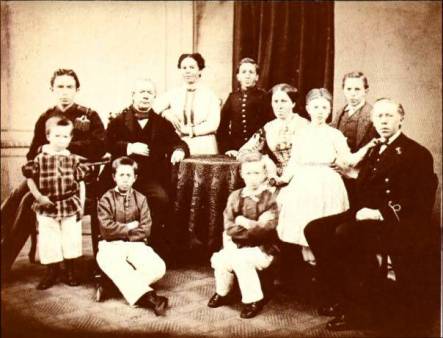
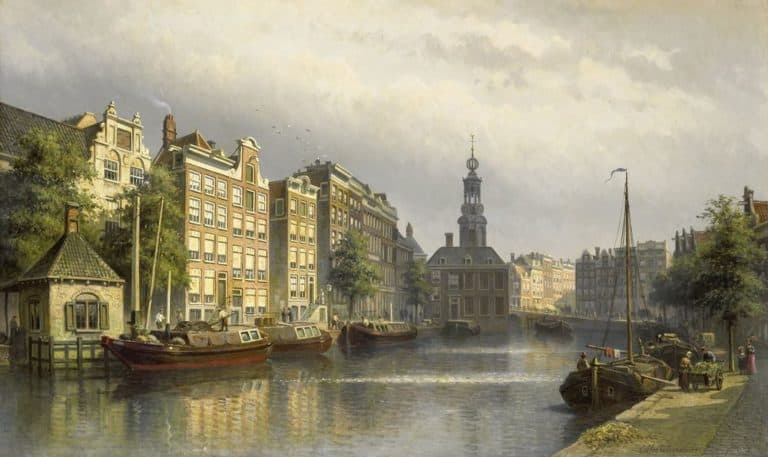
Jan Boissevain groeit op in een gezin waar de zee geen achtergrond is, maar een dagelijkse aanwezigheid. Zijn vader is reder. Elke ochtend bij het ontbijt kijkt hij als eerste naar het haantje van de Westertoren, want wind bepaalt of zijn schepen uitzeilen kunnen. Charles schrijft: “Elken ochtend als hij bij het ontbijt binnen kwam, ging hij uit het venster kijken naar het haantje van den Westertoren, want hij was afhankelijk van wind.”
De gezagvoerders van de barkschepen komen regelmatig thuis bij de Boissevains. Meest Katwijkers, de Duivenbodes en Van der Plassen. Ze brengen geschenken mee uit de Morgenlanden. Charles en Jan groeien op met verhalen van de zee, gaan als jongens mee naar de Overzij van het IJ om te kijken hoe een hoog schip, door twintig paarden voortgetrokken, langzaam over de groene weide nadert. Als de bemanning de patroon ziet, gaat de vlag omhoog en klinkt een hoera uit het want. Jan zet die herinneringen later op rijm, in een vers aan het schip Nederland en Oranje.
Op zijn dertiende gaat Jan op kantoor bij zijn vader. Hij doorloopt de school van uitgebreid lager onderwijs en leert de scheepvaart van binnenuit. Maar terwijl anderen vasthouden aan het vertrouwde, ziet Jan al vroeg wat komen gaat.
De bakens moeten verzet
In de jaren zestig van de negentiende eeuw verandert de wereld van de scheepvaart fundamenteel. Ferdinand de Lesseps doorsteekt Afrika in 1869 met zijn Suezkanaal. Het Noordzeekanaal is in aantocht. En de compoundmachine maakt stoomschepen voor lange reizen eindelijk rendabel. Wie niet handelt, verliest.
Charles schrijft er met gevoel voor over: “Na 275 jaar was het tij verloopen en moesten de bakens verzet. De Lesseps had Afrika tot een eiland gemaakt.” Jan ziet dat Nederland aan de zijlijn dreigt te komen staan. Voor een land met Aziatische koloniën, dat soms snel soldaten moet sturen, is afhankelijkheid van vreemde scheepvaartlijnen onacceptabel. Er moet een nationale stoomvaartlijn komen tussen Nederland en Indië. Jan gaat die bouwen.
De Stoomvaartmaatschappij ‘Nederland’
In 1870 wordt de Stoomvaartmaatschappij ‘Nederland’ opgericht. Jan Boissevain is de drijvende kracht. Maar de obstakels zijn formidabel. Er zijn nauwelijks gezagvoerders voor grote pakketboten. Geen machinisten. Geen pursers. Geen scheepsartsen. En, misschien wel het meest schrijnende: in 1871 zijn noch Amsterdam noch Rotterdam toegankelijk voor grote stoomschepen. Een droogdok ontbreekt volledig.
Jan lost het allemaal op. Hij richt de Amsterdamsche Droogdokmaatschappij op. Hij regelt de spoorweghaven aan de Rietlanden. Hij bouwt een netwerk van agenten langs heel Java’s kust. Stap voor stap, verbetering na verbetering, zonder ophef. Charles beschrijft het zo: “Hij was bescheiden, en hield zich achteraf en bovendien alles is zoo geleidelijk gegaan. De eene verbetering of nieuwe instelling volgde op de andere.”
De dag dat het eerste stoomschip van de Stoomvaartmaatschappij ‘Nederland’, de Prins van Oranje, aanmeert in Amsterdam staat Charles erbij. Hij herinnert het zich levendig: “Wat was het een vroolijk gewoel aan de Rietlanden, toen het eerste schip daar aankwam, nieuw verkeer, nieuwe levenskracht aan Amsterdam brengend.”
Hoofd én hart
Charles zoekt in zijn beschrijving naar wat zijn broer zo bijzonder maakt. Hij vindt het in een zeldzame combinatie: “Hij had met elkander in harmonie een hoofd en een hart, dat is een karakter, waarop men rekenen kon ten allen tijde. Er was niets nukkigs of veranderlijks in hem.”
Jan is lid van de familie die Charles beschouwt als het hoofd. Iedereen raadpleegt hem. En naast zijn werk als ondernemer en organisator is hij ook dichter. Zijn vers op het schip Nederland en Oranje, zijn bijdrage aan het veertigjarig huwelijksfeest dat hij met zijn vrouw Nella viert in 1902. Dat feest, in mei van dat jaar, geeft Charles aanleiding tot een lange, warme ode in versvorm. Hij noemt zijn broer daarin Pontifex, de stoute bruggenbouwer, en schrijft: “Gij, die nu glijdt in drijvende paleizen van Holland naar zijn gordel van smaragd, de tovermacht die droomsnel u doet reizen, dat is zijn kracht van wil, zijn hoofd dat dacht.”
Nella: zijn kracht en zijn kompas
Naast Jan staat Nella, Petronella Gerharda Johanna Brugmans, met wie hij op 15 mei 1862 trouwt. Zij krijgen negen kinderen. Charles schrijft over haar met dezelfde warmte als over zijn broer. Zij is voor Jan geen stille steun op de achtergrond, maar een actieve kracht: ze springt op als verdrukten om hulp vragen, strekt haar armen uit naar gevallenen. Charles schrijft aan haar graf: “Nooit had iemand jonger hart, jonger geestdrift en frisscher ziel het geheele leven lang dan gij!”
Slechts twee jaar na het veertigjarig huwelijksfeest overlijdt Jan, in mei 1904, in Bellagio, waar hij herstel van krachten zocht. Nella overlijdt een jaar later, in mei 1905. Beiden sterven in de maand mei. Charles ziet er iets troostelijks in: er is geen betere maand om te sterven dan wanneer alles herleeft.
De vlag halfstok over de hele Archipel
Het nieuws van Jans dood bereikt Java op een zaterdag. Charles’ zoon Robert is er op dat moment. Hij schrijft over zijn vader: “De directie gelastte aan alle agenten van de Paketvaart, over onze Indische eilanden verspreid, de vlag halfstok te halen, en hij die het mij vertelde zeide met aandoening: en zoo woei de driekleur, die hem zoo lief was, halfstok in rouwe overal in den geheelen Archipel!”
Robert schrijft ook: “Welk een mooi leven is het zijne geweest!” En dat is precies het gevoel waarmee Charles zijn levensbeschrijving besluit. Niet met rouw, maar met een opdracht aan de volgende generatie. De Stoomvaartmaatschappij ‘Nederland’ is het ware gedenkteken aan zijn broer, schrijft hij. En zijn boodschap aan zijn kleinkinderen is direct:
“Mijn kleinkinderen, ge kunt geen beter ideaal voor uw leven en streven kiezen, dan het leven van mijn broeder Jan. Eert hem door hem na te volgen.”
Een naam om te dragen
Jan Boissevain bouwde geen kathedralen en voerde geen oorlogen. Hij bouwde een stoomvaartlijn, een droogdok en een haven. Hij deed het rustig, stap voor stap, zonder subsidies, in een land dat liever afwachtte dan handelde. Charles citeert de Franse schrijfster Daniel Stern om te zeggen wat dat betekent voor de familie: “Hériter de l’arbre qu’a planté mon aïeul c’est hériter d’une portion de leur cœur et de leur pensée, c’est continuer leur vie.” [i]
De boom die Jan plantte, heet de Stoomvaartmaatschappij ‘Nederland’. Zijn takken strekken zich uit over de hele Archipel. En de vlag die hij zo liefhad, woei halfstok toen hij stierf, op elk eiland dat hij met het vaderland had verbonden.
[i] Wie de boom erft die zijn voorvader heeft geplant, erft een deel van diens hart en gedachten en zet zijn leven voort.



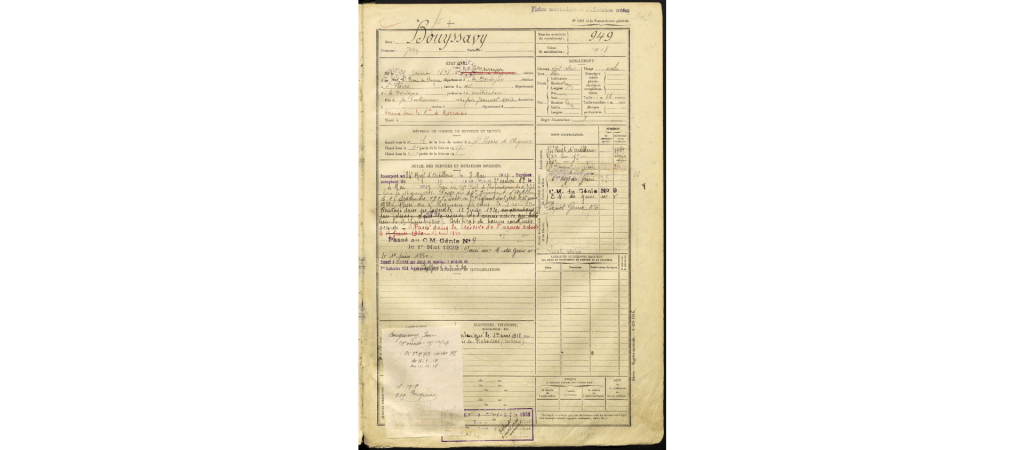


 Jan Willem Boissevain